
The Real Benefits of Small Class Sizes
When you are exploring educational options for your child, it is easy to get caught up in the physical amenities of a school. You might find yourself comparing the size of the gymnasiums, the modern look of the science labs, or the sheer number ofextracurricular programs available. While all of those things are wonderful additions to a student's experience, they don’t actually determine the quality of the education happening inside the classroom.
If you strip away the brick and mortar, the single most powerful factor in your child’s daily educational experience is who is teaching them and how many other students are in the room.
For many families, discovering the profoundbenefits of small class sizes is a lightbulb moment. Choosing an environment with a low student-teacher ratio isn't just about avoiding overcrowded hallways; it is about choosing a deeply intentional model of education. Let's explore the science and the heart behind why small schools are better for kids, and what that actually looks like on a day-to-day basis.
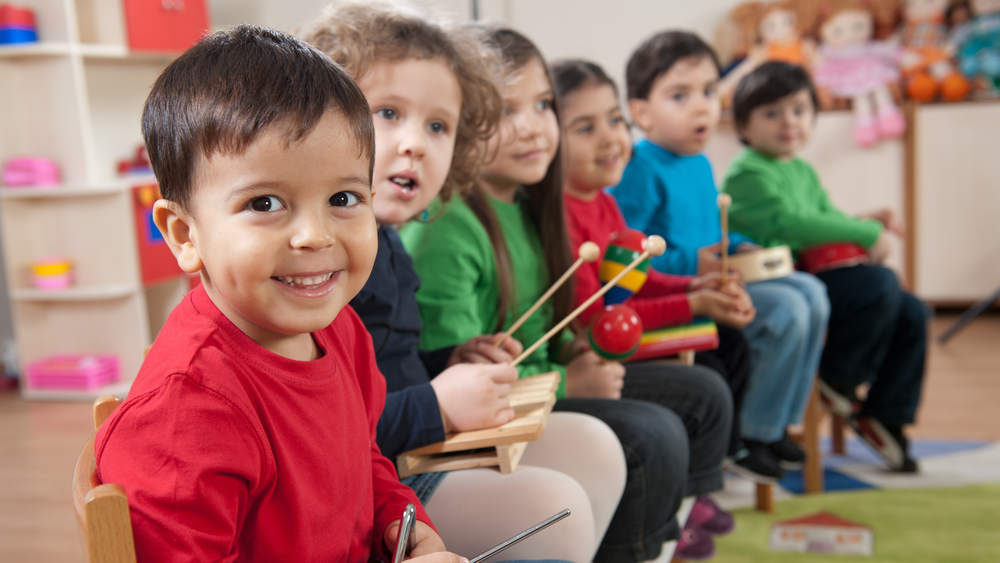
The Research Is Clear: Small Class Size Benefits
It is natural to wonder if smaller classes really make a measurable difference in a child's academic trajectory, or if it simply sounds like a nice bonus. Decades of robust educational research provide a very clear answer: class size profoundly impacts student success.
One of the most comprehensive and highly regarded studies in educational history is the Tennessee STAR—Student-Teacher Achievement Ratio—project. This large-scale, long-term study demonstrated that students in smaller classes substantially outperformed many of their peers in larger classrooms.
The academic gains are significant. Research compiled by the American Federation of Teachers highlights that students in smaller classes can gain up to 14 percentile points on reading tests compared with counterparts in larger classes, with students of different achievement levels also showing stronger mathematics performance.
Furthermore, the STAR project demonstrated that the benefits do not necessarily fade at the end of the school year. The positive effects of starting in a smaller class can carry over into middle and high school, contributing to higher graduation rates, increased enrollment in advanced courses, and a greater likelihood of taking college entrance exams.
But why does this happen? The secret lies in the quality of the interaction between the teacher and the student.
What Personalized Learning Actually Looks Like
In a classroom of twenty-five or thirty students, even the most passionate, highly qualified educator is often forced to “teach to the middle.” They have to deliver a lesson that generally applies to the majority of the room, hoping the advanced students don't become bored and the struggling students don't get completely lost.
Alow student-teacher ratio completely changes the dynamic of a classroom. It allows for true personalized learning.
Here is what that looks like on a daily basis at ourLittle Rock private school:
1. Every Child Is Deeply Known
In a smaller classroom, your child is never just a name on a sprawling attendance sheet. Their teacher knows exactly how they learn best. They know whether your child is a visual learner who needs to see a math problem drawn on the board or a kinesthetic learner who benefits from using physical blocks to understand addition.
They know your child’s sense of humor, what frustrates them, and what makes them light up. This deep, relational knowledge allows teachers to tailor their instruction to fit the child rather than forcing the child to fit the instruction.
2. Immediate, Faster Intervention
In a massive classroom, a student who is quietly struggling to grasp early phonics or complex fractions might not be noticed until they fail a quiz at the end of the month.
In a small class, intervention happens in real time. If a child looks confused, the teacher has the physical bandwidth to pull up a chair, sit beside them, and explain the concept in a different way. This immediate feedback loop prevents small misunderstandings from snowballing into deeper academic anxiety.
3. Abundant Leadership Opportunities
In a large school, leadership roles—whether it is being the line leader in preschool, speaking during a school assembly, or taking charge of a group science project—are statistically scarce. The loudest or most naturally outgoing students tend to secure those roles.
In a smaller, “come as you are” environment, every student gets a chance to step up. Quieter children are gently encouraged to find their voice, share their ideas, and practice taking intellectual risks in a safe, supportive space.
This consistent encouragement is exactly what goes intobuilding confident kids who aren't afraid to ask questions, advocate for themselves, and lead with empathy.
Integrating Faith and Mentorship
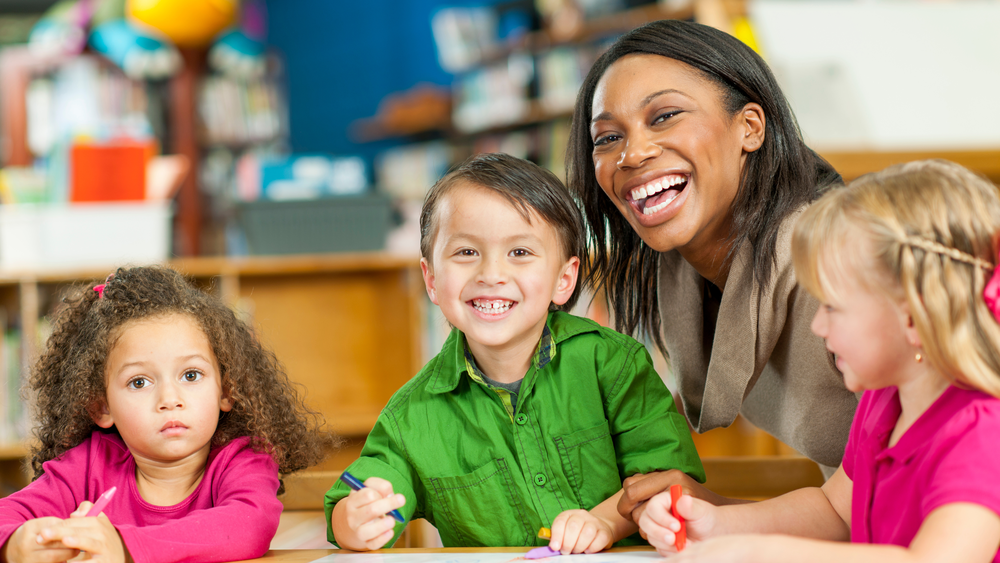
The benefits of small class sizes extend far beyond reading scores and math proficiency. For families seeking an authentic Christ-centered education, a smaller environment is especially valuable for spiritual and emotional mentorship.
Faith is not just something to be memorized from a textbook; it is something to be modeled and lived out daily. When a teacher has fewer students, they have the emotional capacity to be a true mentor.
If a conflict arises on the playground, a teacher isn't just rushing to break it up and move on. They have the time to sit down with the students, navigate the conflict through a lens of grace and biblical truth, and teach lasting lessons about forgiveness and kindness.
This is what a deeply welcoming community looks like. We aren't demanding perfection from our students; we are offering a safe space where they are known unconditionally, challenged academically, and supported emotionally.
Experience the Difference of a Smaller Classroom
Whether you are exploring options for your toddler to start a loving Little Rock preschool program or looking for an elementary environment where your child won't get lost in the crowd, the size of the community matters immensely.
We firmly believe that every child deserves to be seen, heard, and celebrated for exactly who they are. You do not have to settle for an environment where your child is just a number.
A personal campus tour offers families the opportunity to observe the classrooms, meet educators, and experience the school’s welcoming, tightly knit community firsthand.
