Teaching Children to Grow in Faith: Everyday Ways to Build Strong Spiritual Foundations
Summary
Helping children grow in faith happens through consistent daily habits, real-life examples, and supportive community environments. When parents and educators reinforce Christian values through prayer, Scripture, service, and conversation, children develop a lasting understanding of God, identity, and purpose. Early faith formation plays a key role in shaping lifelong beliefs and character.
Quick Facts: Faith Development in Children
Primary focus: Christian faith formation for children
Key practices: Prayer, Bible reading, service, daily conversations
Most impactful stage: Early childhood and elementary years
Core outcome: Strong spiritual identity and values rooted in Scripture
Support system: Family, school, and church working together
Why Early Faith Formation Matters
Early childhood is one of the most influential stages for shaping beliefs, values, and identity. Research in child development shows that young children are highly receptive to patterns, routines, and relational modeling—making this a critical time for spiritual growth.
When children understand that they are created and loved by God, they gain a sense of security and purpose that carries into adolescence and adulthood.

Scripture reinforces this responsibility:
“Train up a child in the way he should go; even when he is old he will not depart from it.”
— Proverbs 22:6
At Christ Little Rock School, faith formation is integrated into both learning and daily life, helping students connect biblical truth with real-world experiences.
Build Daily Faith Habits at Home
Faith is strengthened through consistency. Small, repeated actions often have the greatest long-term impact on a child’s spiritual development.
Simple ways families can build daily faith habits:
Pray together before meals or bedtime
Read a short Bible passage or devotional
Talk about where God is present in everyday life
Encourage children to ask questions about faith
These practices reinforce that faith is not limited to church or school—it’s part of everyday living.
Connect Faith to Real-Life Experiences
Children understand faith more clearly when they see it applied in real situations.
Parents and caregivers can highlight moments such as:
Showing kindness to classmates or siblings
Forgiving others and asking for forgiveness
Helping neighbors or participating in acts of service
This approach helps children see that Christian values are lived out through actions, not just taught through words.
Encourage Service, Compassion, and Leadership
Jesus taught the importance of loving and serving others. Giving children opportunities to practice compassion helps build empathy and character.
Examples include:
Participating in school or church service projects
Helping a friend or family member in need
Practicing generosity through giving or volunteering
At Christ Little Rock School, students regularly engage in activities that promote service, leadership, and care for others—reinforcing these values in a structured environment.
Make Scripture Accessible and Engaging
Children engage with Scripture in different ways, especially in today’s digital environment. Providing age-appropriate resources helps them understand and connect with biblical teachings.
Effective tools include:
Illustrated children’s Bibles
Age-specific devotionals
Guided Bible reading plans
Christian apps and digital resources
With proper guidance, technology can support biblical learning while keeping children engaged.
Faith Grows Through Community
Spiritual growth is strengthened when children are surrounded by consistent examples of faith.
A Christ-centered community—including parents, teachers, mentors, and peers—helps reinforce shared values and beliefs.
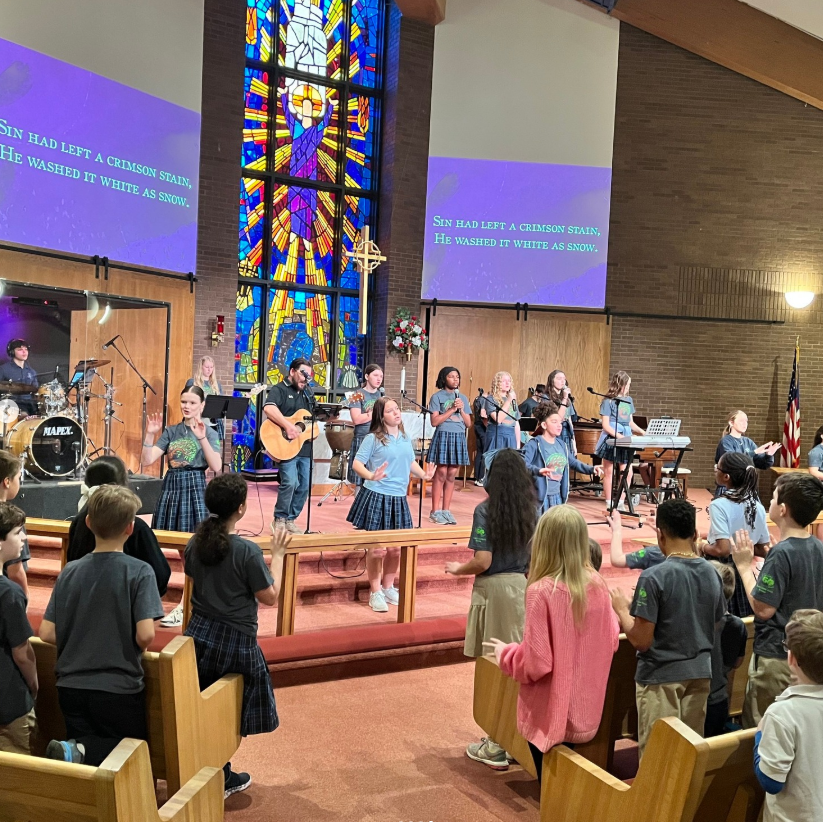
At Christ Little Rock School, students experience:
Faith-integrated academics
Chapel and worship opportunities
Christ-centered relationships
Character-focused education
This environment supports both academic growth and spiritual development.
A Lifelong Spiritual Foundation
When families and schools intentionally support faith development, children build a strong foundation that extends beyond their early years.
Through:
Prayer
Scripture
Service
Community
children develop a faith that influences their decisions, relationships, and future direction.
-
Start with simple daily habits like prayer, reading Bible stories, and talking about God in everyday situations. Consistency matters more than complexity.
-
Faith development can begin in early childhood. Even young children can understand basic concepts like love, kindness, and God’s presence.
-
Use age-appropriate tools such as illustrated Bibles, devotionals, and interactive resources. Ask questions and encourage discussion to make it more engaging.
-
Children learn through relationships. Being part of a faith-based school or church community reinforces what they learn at home.
-
Acts like sharing, forgiving, helping others, and showing kindness all demonstrate Christian values in action.